Chesapeake Bay Farmland Raptor Project
Save Farm-Friendly Raptors through Riparian Restoration
Rural private landowners in the Chesapeake Bay watershed are important conservation partners to help protect four species of grassland raptors that are in decline: the American kestrel, barn owl, northern harrier, and short-eared owl. Make a difference today and join the Chesapeake farmland raptor project!American Kestrel
Barn Owl
Northern Harrier
Short-eared Owl
Raptors are important indicators of environmental health and when found in agricultural areas they benefit farmers by preying on mice, voles, and insects. The Chesapeake Bay is the largest estuary in the U.S. and home to thousands of species of plants and animals. This important ecosystem impacts the quality of the air we breathe, the water we drink, and the food we eat. In the Chesapeake Bay watershed, the northern harrier, American kestrel, short-eared owl, and barn owl show widespread, long-term population declines. All four species require large areas of grassland or agricultural fields to nest successfully, but development and some farming practices can reduce habitat for both their prey and suitable nest sites. You can help recover these species and encourage them to nest on your land by implementing riparian habitat restoration, reporting sightings of the species, erecting nestboxes for barn owls and kestrels, and sharing this information with Hawk Mountain.
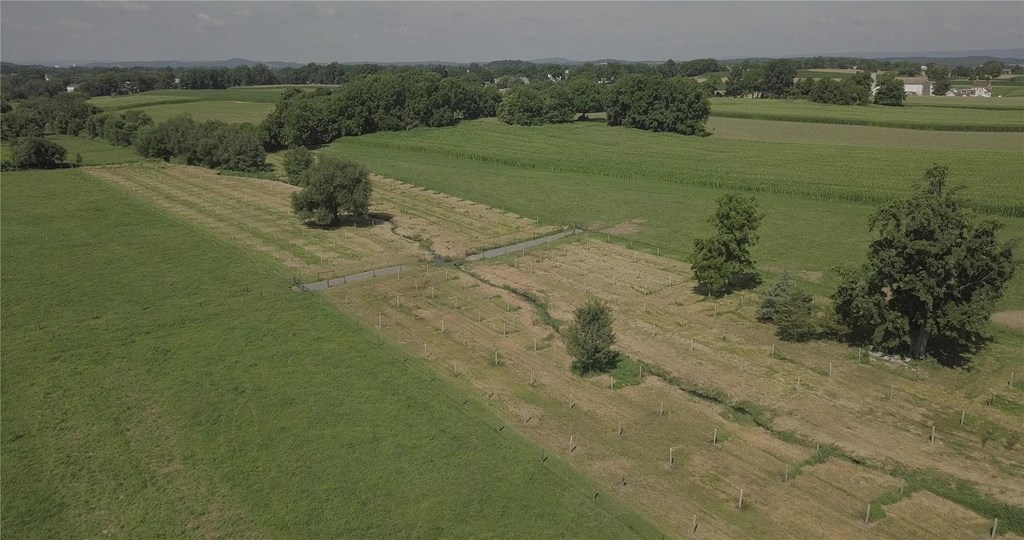
Why are Riparian Buffers important to people and raptors?
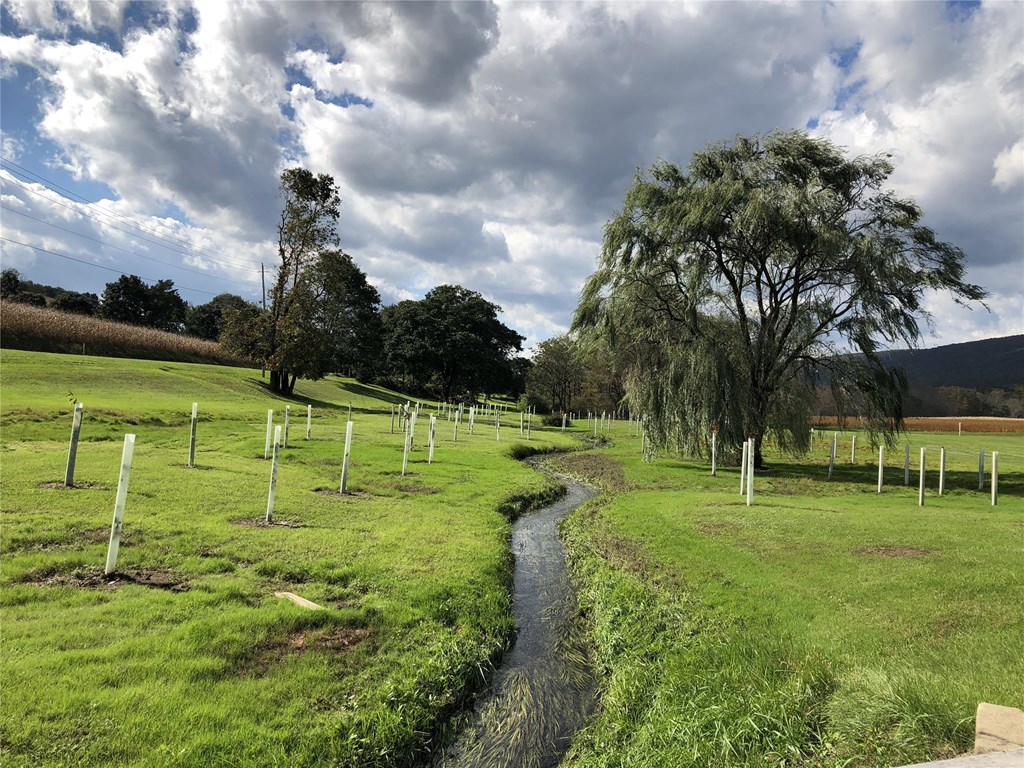
A riparian or streamside buffer uses native trees and shrubs that provide important cover protecting water from polluted runoff and erosion. Riparian buffers improve and provide functional habitat for a variety of at-risk fish and wildlife, including farmland raptors, improving biodiversity.
When you restore riparian habitat, you benefit both wildlife and people by:
• Providing clean water
• Limiting chemical runoff into waterways
• Creating healthy habitat increases biodiversity and provides natural pest control
• Lessening the impact of extreme weather on natural and manmade structures
• Enhancing overall climate resilience
• Creating natural spaces to connect with nature and recreate outdoors
• Connecting with other landowners and conservation partners
Riparian buffers act as a filtration system that naturally improves water health and filters harmful chemical runoff, providing humans, fish, and wildlife communities with clean water at no cost.
Create Healthy Habitat for Raptors
Raptors are a fantastic ally to farmers, serving as natural pest control against rodents and insects and as bioindicators for a healthy environment.
Make a Difference Today
• Plant native plant species to boost species diversity and improve the health of the ecosystem.
• Avoid chemical pesticides which can harm raptors and other wildlife.
• Delay mowing pastures and grassy areas until mid-July to allow ground-nesting raptors to raise young and increase prey diversity.
• Place nest boxes for American kestrel and barn owls facing open habitat where raptors will hunt. Kestrels require 15 acres of open space while barn owls need more than 100. You can make and erect a nestbox yourself or contact Hawk Mountain for assistance.
• If a nestbox on your property is occupied, Hawk Mountain researchers and collaborators will help you to conserve these species. To report farmland raptors on and around your property, or for interest in our nestbox program, contact Bracken Brown at [email protected] or call 570-943-3411 ext 103
• Report sightings using the sighting report form or call or email Hawk Mountain with your information.
• Landowners are eligible for riparian restoration assistance. Interested parties should contact Lamonte Garber, Stroud Watershed Restoration Coordinator, at [email protected] or call 610-268-2153 ext 1310
Hawk Mountain Sanctuary, Stroud Water Research Center, and a number of other watershed protection organizations have joined forces to put this initiative into action. For updated contacts of participating organizations, visit Penn State Extension Watershed Stewards and Pennsylvania Organization for Watersheds & Rivers (POWR).
To help support this important research, please contact Director of Conservation Science Dr. Laurie Goodrich (570-943-3411 x106, [email protected]) or donate today using the button below. Be sure to include in the comments of the form that the online gift is for the Farmland Raptor Project.
Hawk Mountain thanks you for being a friend to farmland raptors!
Funding for this project is provided through a competitive grant from the National Fish and Wildlife Foundation’s Chesapeake WILD program, with support from the U.S. Fish and Wildlife Service.
The views and conclusions contained in this document are those of the authors and should not be interpreted as representing the opinions or policies of the U.S. Government or the National Fish and Wildlife Foundation and its funding sources. Mention of trade names or commercial products does not constitute their endorsement by the U.S. Government or the National Fish and Wildlife Foundation or its funding sources. NFWF is an equal opportunity provider.