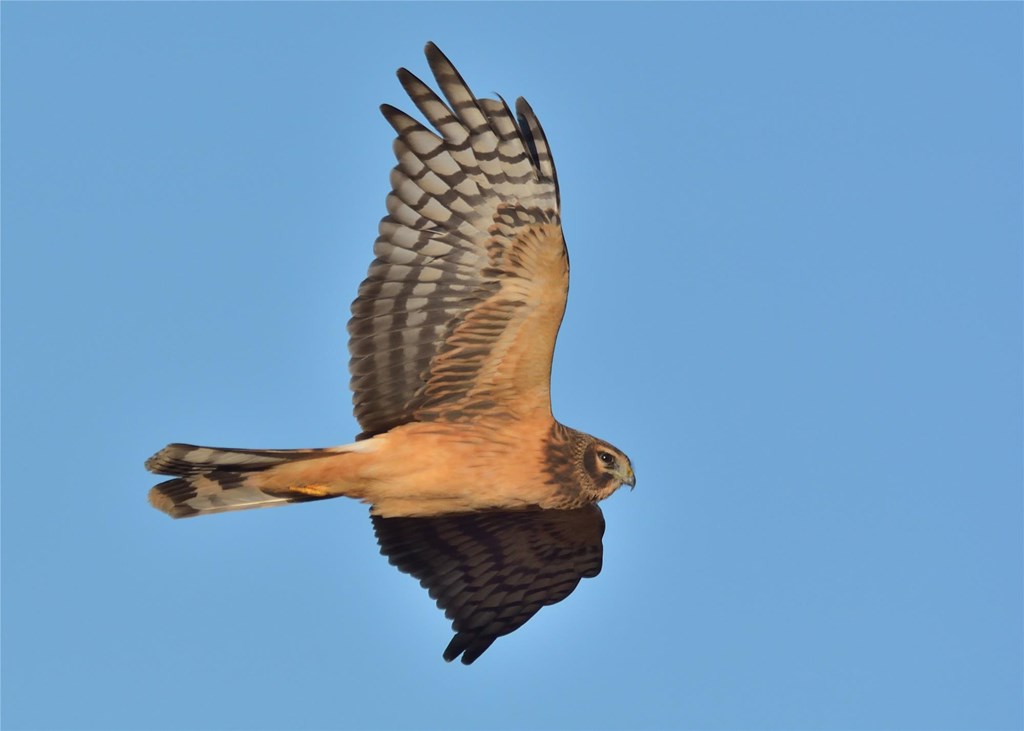
Pennsylvania Northern Harrier Project
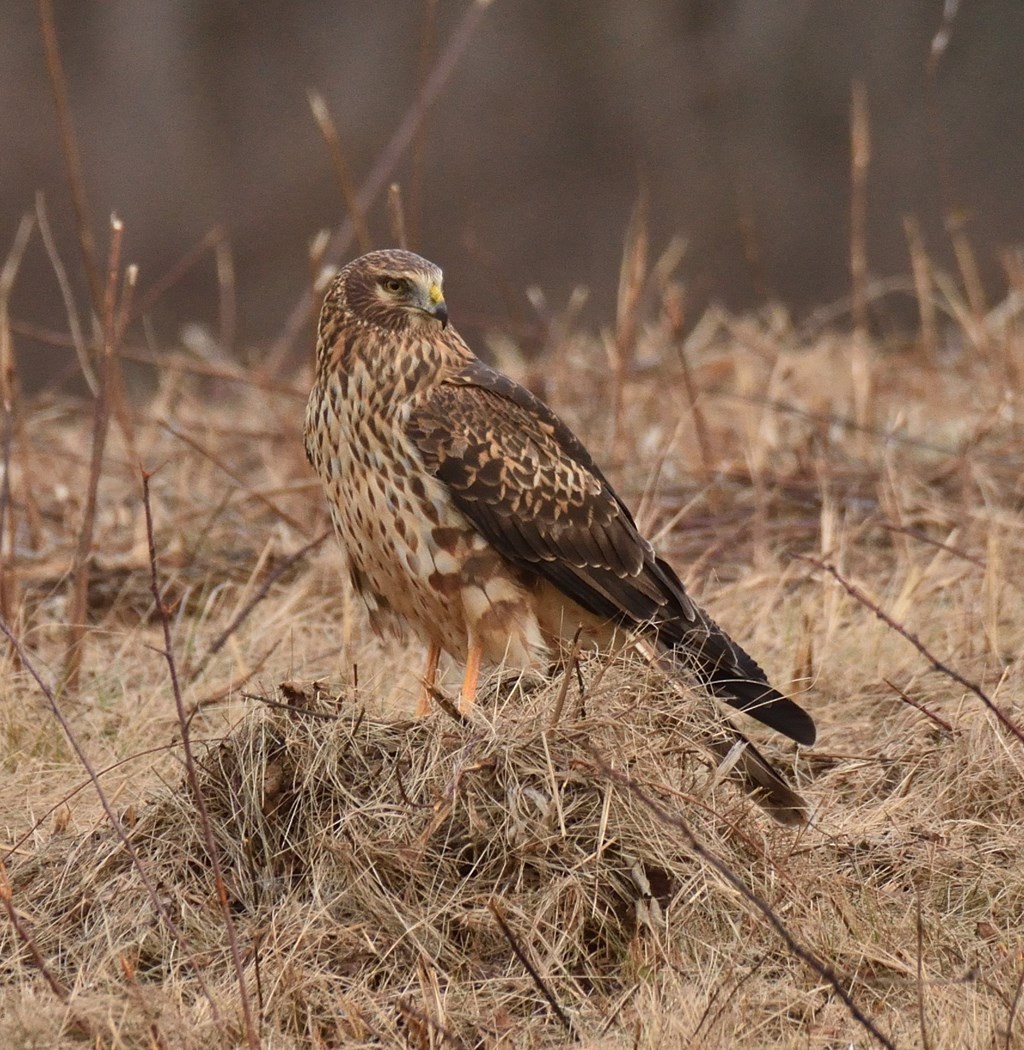
In collaboration with the PA Game Commission, Hawk Mountain Sanctuary has launched a new multi-year research initiative focused on one of Pennsylvania’s most vulnerable raptors: the northern harrier. Once widespread across the state’s open landscapes, this grassland and marsh-dependent hawk has declined sharply and is now listed as state-threatened.
From the 1980s to 2010, Pennsylvania Bird Atlas data documented nesting distribution losses of 43% and Fink et al (2023) revealing a 38% decline in Pennsylvania between 2012-2022, with declines across eastern North America exceeding 30%. Today, most remaining breeding populations are concentrated in northern counties, particularly in reclaimed mine lands and rural farmland. Despite its status, no comprehensive study has examined the causes of decline within Pennsylvania.
Northern harriers nest directly on the ground in tall grasses and marsh vegetation and require expansive, unfragmented grasslands to successfully raise young. Their presence signals healthy grassland ecosystems that also support species such as bobolinks, dickcissels, and short-eared owls. Yet grasslands and wetlands are among the state’s fastest-disappearing habitats. Agricultural intensification, pesticide use, development, solar installations, and gas extraction have reduced and fragmented suitable breeding areas. Understanding how much disturbance harriers can tolerate along with what size and configuration of habitat they require is critical for guiding future land management decisions.
Research Plan
Beginning in 2026 through 2029, Hawk Mountain researchers will conduct a two-part study combining landscape analysis with satellite tracking.
First, the team will analyze verified sightings from eBird, the Pennsylvania Bird Atlas, and Hawk Mountain’s Farmland Raptor Project database. Using GIS tools and national land cover datasets, researchers will evaluate habitat composition within one- and five-kilometer buffers around nesting, migration, and wintering sites. They will measure field size, road density, fragmentation, and development patterns, and compare historic nest locations with present-day land cover to determine why some areas have retained breeding birds while others have not.
Second, researchers will capture and tag adult and juvenile harriers with lightweight satellite transmitters. These devices will allow scientists to map home range size, identify foraging areas, track migration routes, and document wintering locations. By combining detailed movement data with landscape analysis, the team will quantify how fragmentation and development influence nesting success and survival.
This research is supported by grants from the DCNR Wild Resources Conservation Program and the Pennsylvania Game Commission, along with private support for transmitters. The project builds on partnerships with Bird Atlas volunteers, farmland owners, conservation agencies, and birding organizations across the state.
Community Participation
Hawk Mountain seeks landowners with extensive grassland, or marsh, habitats to report sightings of northern harriers between May 15 and July 31. Harriers nest on the ground relying on taller vegetation to hide the nest in open grassland and marshes.
Hawk Mountain will also need northern harrier reports from November-April to assess critical wintering areas. Northern harriers will form communal ground roosts in high-quality habitat such as grasslands or marshes with taller vegetation, areas they often share with short-eared owls.
Click here to download the flyer for more information, or contact Bracken Brown at [email protected] or 570-943-3411 ext. 103.
If you see a northern harrier, please report it using our online data form linked at the button below.
Farmland Raptor Sightings Report Form
All information will be kept confidential and locations not divulged except to implement state habitat conservation. If you have questions regarding this study or use of the data gathered, contact Bracken Brown at the email or phone number above.
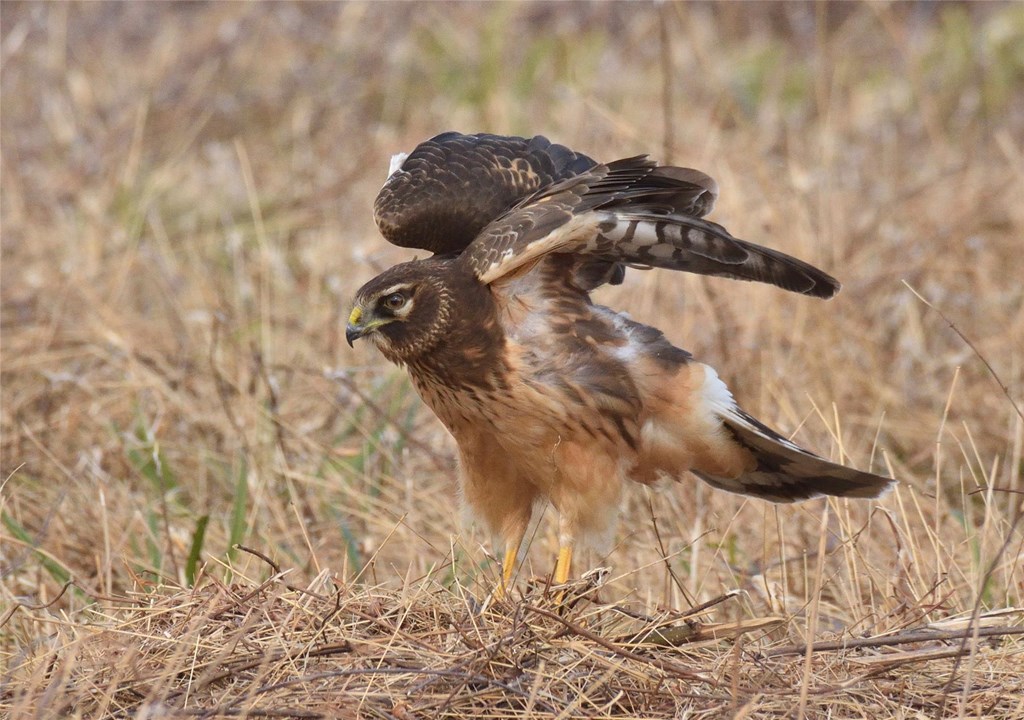
Perched young Northern Harrier
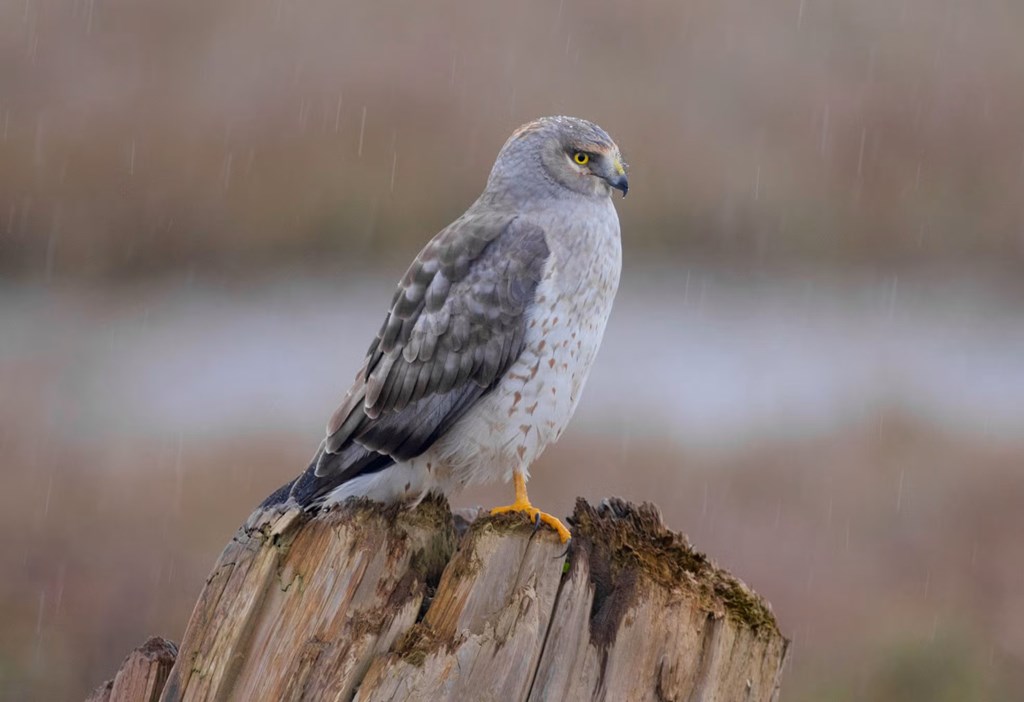
Male harrier perched near marshland
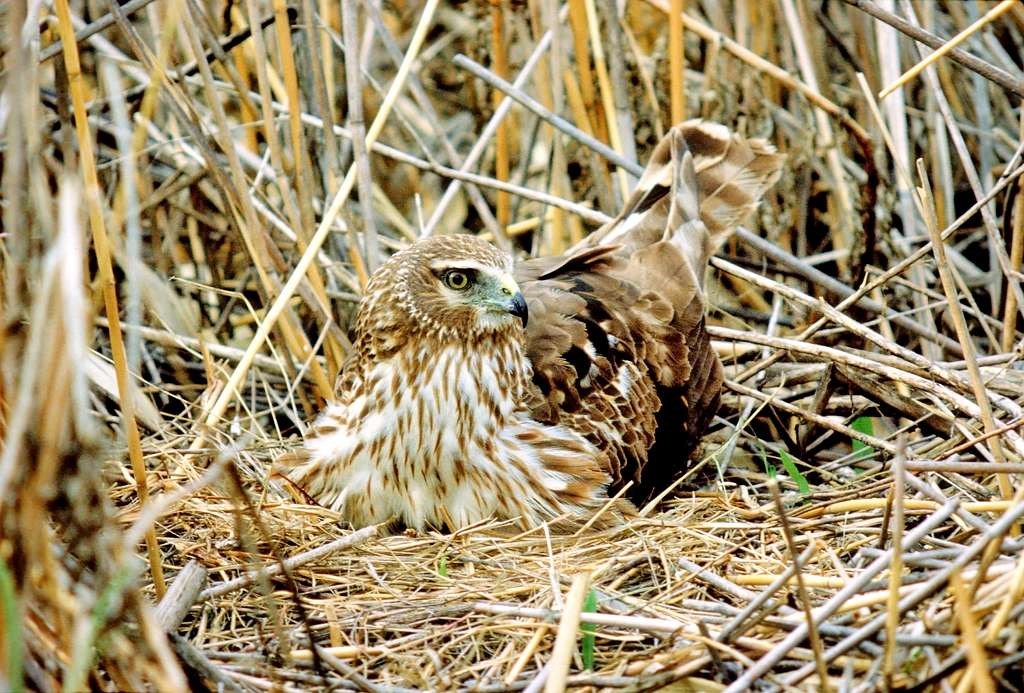
Female on nest
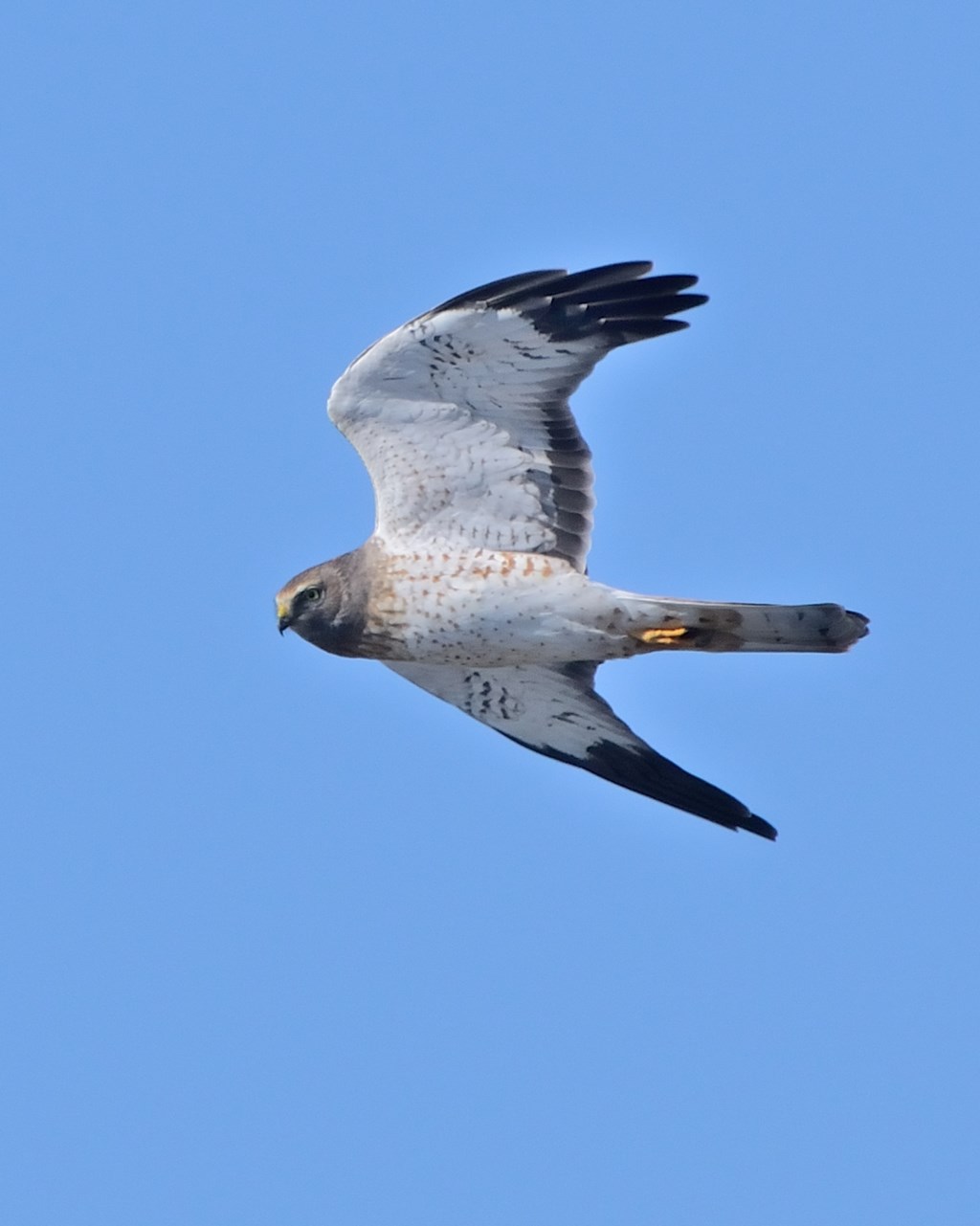
Male Northern Harrier
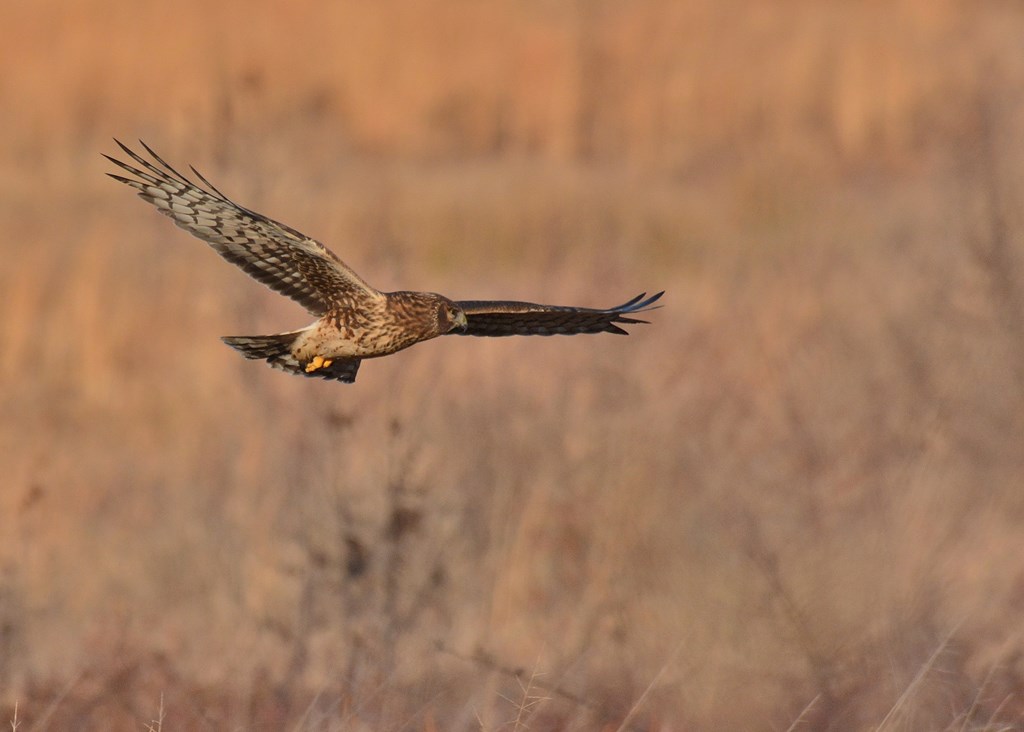
Female Northern Harrier