Trainees Along the Route
Posted on in In the Field by Fernando Lopez, Spring 2018 Conservation Science Trainee
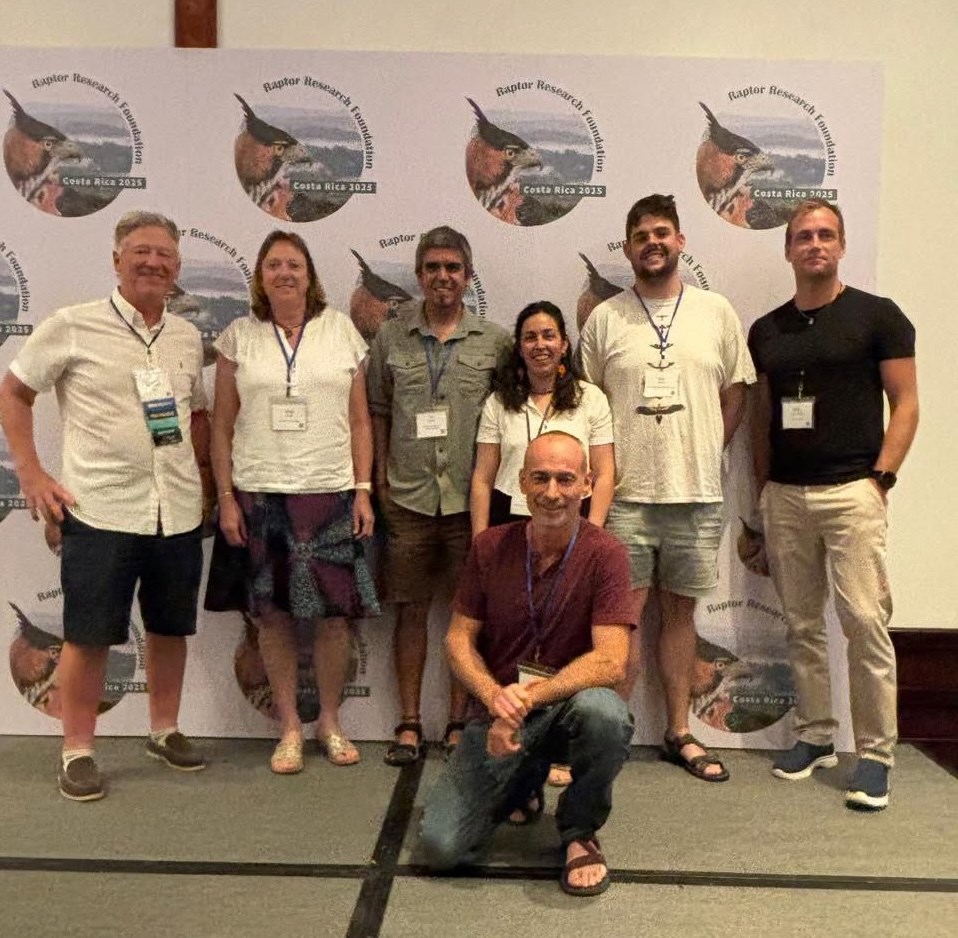
In October 2025, I traveled to Costa Rica to attend the annual conference of the Raptor Research Foundation. I had received the Wings To Fly Award and was especially excited to present the results of my postdoctoral research at the Smithsonian Institution. But it was also an opportunity to reconnect with colleagues and friends from different parts of the world.
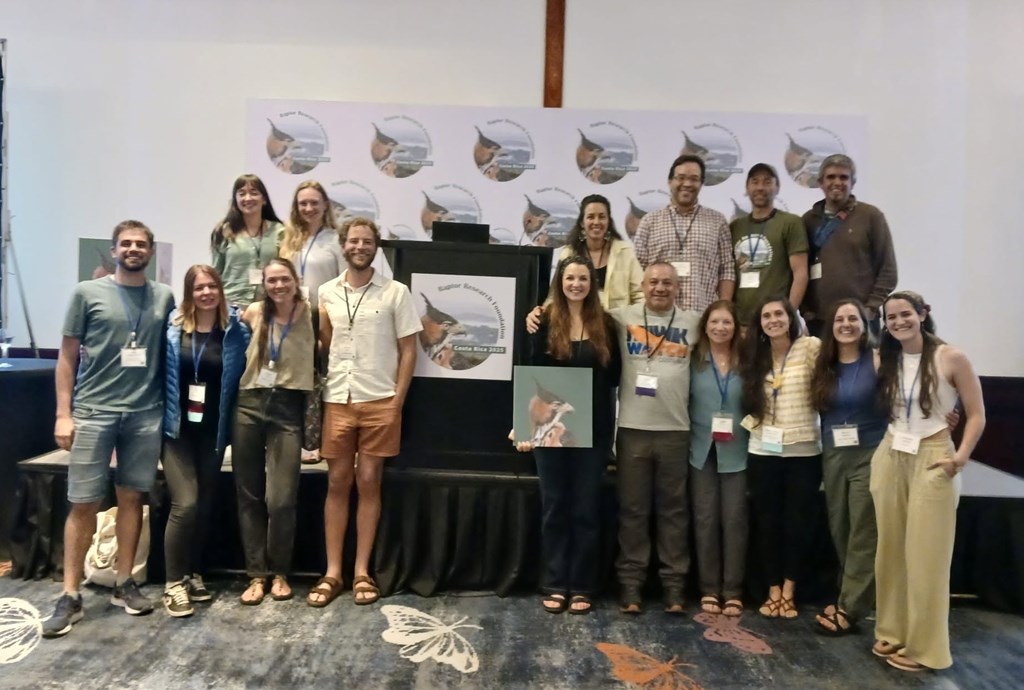
Amid talks, posters, and hallway conversations, I crossed paths once again with members of the Hawk Mountain team, including Laurie Goodrich, JF Therrien, and Becca McCabe, as well as former trainees from many different countries. Some I had not seen in years, others had remained present through collaborations or occasional exchanges.
It was then that I realized something I had not fully appreciated until that moment: although our paths had taken us in different directions, we were still part of the same story. A story woven from shared experiences, common lessons, and a passion that had endured through time and distance.
More Than a Place
When I first arrived at Hawk Mountain Sanctuary in 2018, I expected to learn about birds of prey, and I did--I learned how to identify raptors in flight, participate in migration monitoring, and gain a deeper understanding of conservation science. But one of the most important lessons came from something less tangible: Each season, Hawk Mountain brings together people from different countries, cultures, and backgrounds who share a common passion for birds and conservation. What begins as a group of strangers gradually becomes a community.
Years later, in Costa Rica, I was able to see how far those connections had reached and how each person’s career had evolved. Among them were two trainees from my own cohort: Kirsten Fuller, now working with The Peregrine Fund, and Zoe Bonerbo, who is pursuing a master's degree at Boise State University.
I also reconnected with Esther Vallejo (2019), who is leading a migratory raptor monitoring project in Colombia; Zoe Smith (2009), from England, a colleague in collaboration with the Raptor Research Foundation; Julio Gallardo (2000), involved in international conservation programs with The Peregrine Fund; and Sophie García-Heras (2017), now a professor at Southern Illinois University and someone who has had a profound influence on my professional development.
Former Trainees Who Keep Shaping Our Journey
When we began planning et al blog – Ornithology Without Frontiers, we imagined the journey as an opportunity to discover birds, landscapes, and communities across the Americas. What we did not anticipate was how many times we would reconnect with people who had also passed through Hawk Mountain.
Shortly after Costa Rica, we met up in Mexico City with Tatiana Sánchez (2014), who works at the National Commission for the Knowledge and Use of Biodiversity (CONABIO) and coordinates Mexico’s Urban Bird Program. Together, we spent a day birdwatching in the heart of one of the largest cities in the world.
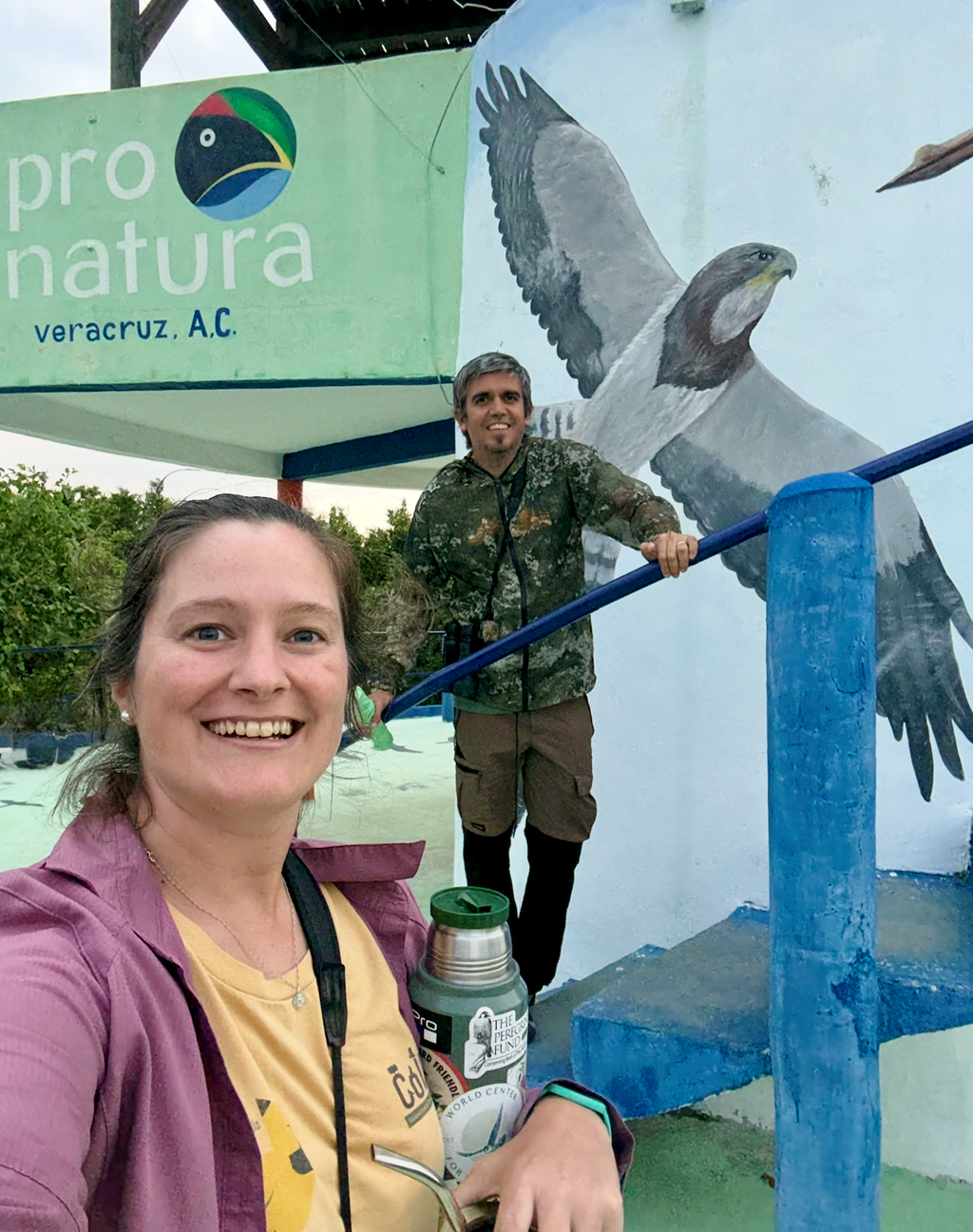
Later, we arrived in Veracruz to witness the spectacular River of Raptors migration. There, we spent several days with former trainees, including coordinators Kashmir Wolf (2010) and Yumei Cabrera Carrasco (1999). We also shared time with Tamara Russo (2022), Adelaida Pérez Cadavid (2023), and Selene Martínez Cruz (2023), who are involved in environmental education, monitoring, and research programs.
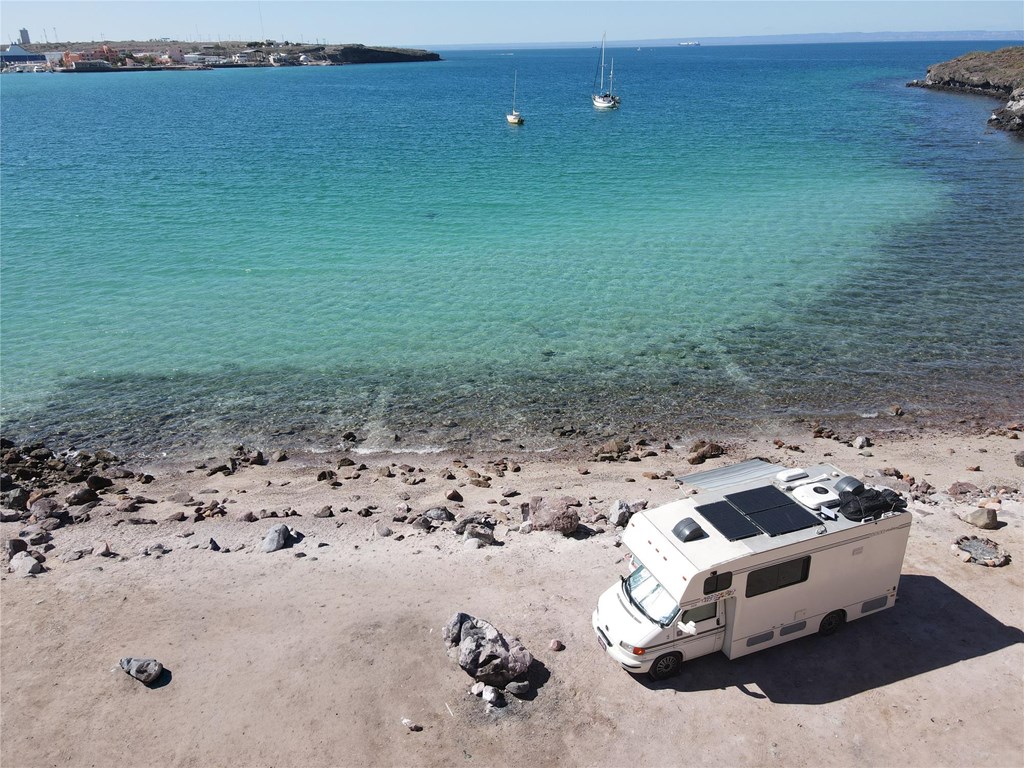
After crossing Mexico, we reached Baja California Sur, where we joined Katia Gutiérrez (2024), who is completing her studies in La Paz, for a day of shorebird monitoring and observation.
Before reaching Alaska, we made a stop in Arizona, where Kirsten Fuller (2018) and her boyfriend, Tom, helped us fulfill a long-held dream: seeing California Condors soaring freely in the wild while learning firsthand about the conservation efforts that have brought the species back from the brink.
Our next stop was Boise, Idaho. There, Zoe Bonerbo (2018) introduced us to her research on Prairie Falcons. During our visit, we also connected with Martina Zucchini, another Argentine scientist who, after completing her master's degree, now dedicates her career to research and teaching at Boise State University (BSU).
These encounters no longer felt like coincidences. As we traveled across the continent, former Hawk Mountain trainees kept appearing at different points on the map, transforming unfamiliar places into familiar ones.
A Community Without Frontiers
After traveling thousands of kilometers, I found myself reflecting on something that had never been part of our original plans: Migratory raptors do not recognize the political borders drawn on maps. Their journeys connect mountains, forests, deserts, and coastlines through invisible routes. During this trip, I began to see something similar in people.
Beyond the differences in language, culture, or the ecosystems where each person works, there was always a familiar feeling. The same values that had brought us together years ago were still present in every conversation, every day in the field, and every collaborative project.
Traveling allowed us to see how each person had built their own path. Some monitor migrations, others lead research projects, educational programs, or conservation initiatives within their communities. Although their careers have followed different directions, I recognized in all of them the same curiosity and commitment that had brought us together years earlier at Hawk Mountain.
At the same time, the journey reminded us that some connections transcend time and distance. Perhaps that is why Hawk Mountain continues to appear again and again throughout our travels—not as a physical place to which we return, but as a community that keeps traveling with every person who has passed through it.
Following the Same Winds
Our journey across the Americas is far from over. New countries, landscapes, and species still await us. When I arrived at Hawk Mountain, I never imagined that one of the most important and lasting lessons I would take away would have less to do with birds and more to do with people.
As we continue moving forward, I am beginning to understand that Hawk Mountain was never just a sanctuary. It is also a community that extends far beyond the trails and overlooks of its mountains. Like the migratory birds we admire each season, we follow our own routes, crossing borders and exploring new horizons. And every so often, our paths converge once again.
Perhaps that is one of the most extraordinary things about conservation: discovering that, even when separated by thousands of kilometers, we are still traveling on the same winds.